
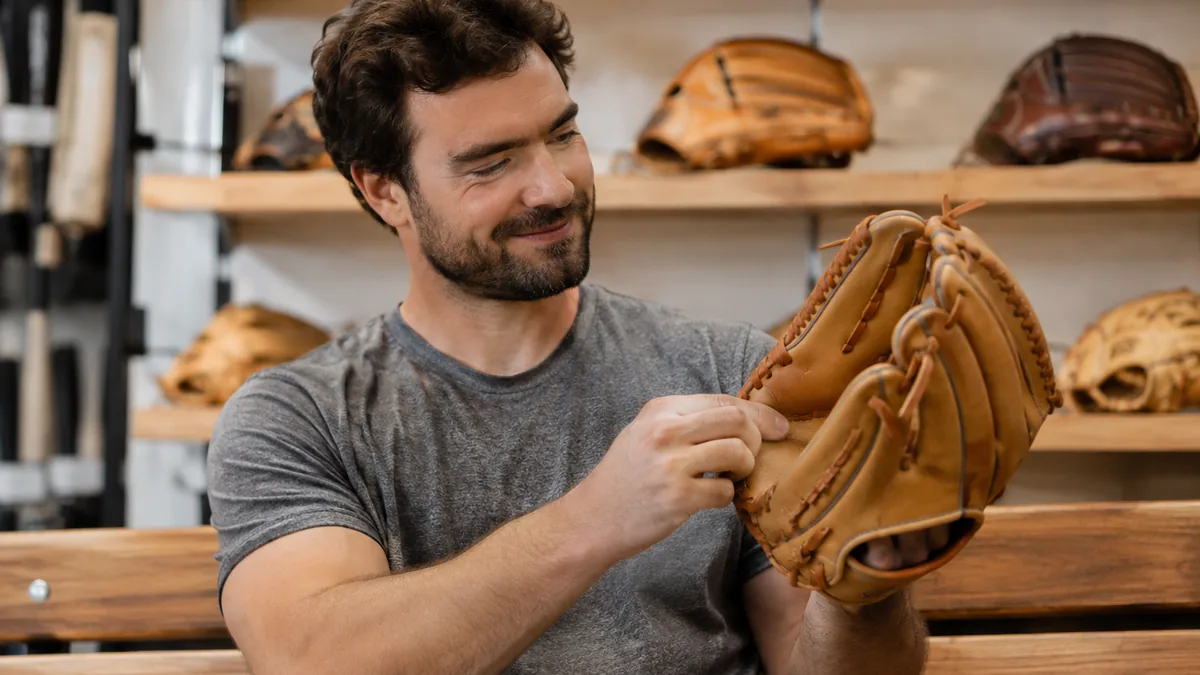
Buying a baseball glove can feel harder than it should. Shelves and websites show dozens of models with different sizes, webs, leathers and prices, and the descriptions are full of terms most people have never heard. The good news is that a handful of decisions explains almost all of the differences. If you settle your position, your size, the web style, the leather and the budget, the right glove becomes easy to spot. This guide goes through those choices in order, with a separate section for youth players, and it avoids brand claims so the advice stays useful whichever glove you end up buying.
Step 1: Start with the position you play
The position is the single biggest factor, because different jobs ask different things of a glove.
- Infielders (second base, shortstop, third base) need to get the ball out of the glove quickly. They usually use a smaller glove with a shallower pocket.
- Outfielders reach for fly balls, so they usually choose a longer glove with a deeper pocket.
- Pitchers want a mid-size glove, often with a web that does not let the batter see the grip or the hand position.
- First basemen use a mitt with a long, curved shape built for scooping throws.
- Catchers use a heavily padded mitt without separate fingers that is designed to take fast pitches.
If you are young or still learning and play several positions, a general-purpose glove in a middle size is a reasonable first choice. You can buy a position-specific glove later, once you know where you play most. Our positions guide explains what each position actually does.
Step 2: Get the size right
Glove size is printed in inches and measures the glove itself, not your hand. A glove that is too large is harder to close and slows the transfer to your throwing hand. One that is too small makes catching harder than it needs to be.
Rather than repeat a long table here, use the baseball glove size chart, which lists ranges by position and age and explains how to read the number. As a rule, younger players should lean toward a smaller glove, and anyone between two sizes should usually pick the smaller one for infield work and the larger one for the outfield.
Step 3: Choose a web style
The web is the part of the glove between the thumb and the fingers. It affects how the pocket works and how much the ball can be seen or hidden. The common types are:
- I-web: a design with open sections, often used by infielders for quick access to the ball.
- H-web: a lighter pattern that is also popular with infielders and some outfielders.
- Trapeze web: a lighter, flexible web often used in outfield gloves for a deep pocket.
- Basket or closed web: the web is closed so the ball and hand are hidden. Many pitchers prefer it.
- Modified or single-post webs: variations that mix open and closed features.
Manufacturers use slightly different names for the same patterns, so look at the picture as well as the label. If you are unsure, a closed web feels solid and secure, while an open web is lighter and often easier to break in.
Step 4: Understand the leather and the build
Leather is the heart of the glove. You do not need to know every grade, but a few points help you compare.
- Stiffness: better and thicker leather is usually stiffer at the start and needs more time to break in. It tends to last longer and hold its shape. Softer, lighter leather is ready sooner but may wear out faster.
- Synthetic or lightly treated materials: these are common in gloves made for young players. They are lighter and need little or no break-in, though they may not last as long.
- Padding and lining: these affect comfort and how the ball feels on impact.
- Lacing: firm, even lacing keeps the pocket stable. Check that nothing looks loose or uneven in the store.
Before you buy, squeeze the glove. You should be able to close it with some effort, but not so much that it feels like a fight. If you plan to break it in yourself, our guide on how to break in a baseball glove covers the methods that work.
Step 5: Check the fit on your hand
Try on the glove if you can. Your fingers should reach the ends of the finger stalls without the glove being tight. Many gloves have an adjustable strap or back closure, so make sure it can be set to a snug but comfortable position. The glove should feel like part of your hand, not a basket on the end of it.
Also decide which hand you throw with. A glove for a right-handed thrower goes on the left hand, and the opposite for a left-handed thrower. Gloves are labeled by the throwing hand, which can confuse first-time buyers.
Youth baseball gloves: what to look for
Choosing a youth glove is a little different, because children grow and their needs change quickly.
- Choose a size that fits now. A glove that is much too big may feel like a bigger gift, but a child will struggle to close it and may develop poor habits.
- Look for a softer, easier-to-close design. Many youth gloves are made so that smaller hands can close them without a long break-in.
- Do not overspend. A child may outgrow a glove in a season or two. A durable, mid-priced glove is usually enough.
- Consider a general-purpose model. Until a child settles into a position, a flexible model works across the field.
- Check the fit with a real catch. Ask the child to catch a few soft tosses in the store, if allowed.
For exact sizes by age, see the size chart.
How much should you spend?
Prices vary widely, and a higher price does not automatically mean a better glove for you. A few guidelines:
- Beginners and children: a modestly priced glove is fine. The priority is fit and comfort.
- Regular players: a mid-priced glove in better leather is a good investment if you play often.
- Serious players: it makes sense to pay more for stiffer, longer-lasting leather, but only if you are willing to break it in properly.
It is also worth setting aside a little money for care. Our glove care guide explains simple routines that make a glove last longer.
A short checklist before you buy
- Know your position, or choose a general-purpose glove.
- Check the size against a chart.
- Pick a web that suits the position.
- Squeeze the glove and make sure it closes.
- Confirm the throwing hand and the strap fit.
- Set a budget and keep some money for care.
FAQ
How do I pick the right baseball glove?
Start with your position, then choose the size, the web style, the leather and your budget. Try the glove on, squeeze it to see how stiff it is, and make sure it fits your hand without being tight.
What size baseball glove do I need?
It depends on your position and age. Infield gloves are generally smaller than outfield gloves, and younger players should choose smaller sizes. See our size chart for ranges and make sure you check the manufacturer's own guide for the exact model.
What is the best baseball glove for a youth player?
A glove that fits their hand now, is easy to close and suits their budget. A general-purpose model is a good option until the player settles into a position.
Which web type is best?
It depends on the position. Open webs are lighter and common in the infield, while closed webs are popular with pitchers because they hide the ball and hand. Try a few and see which feels better.
Do I need to break in a new glove?
Most leather gloves benefit from some break-in, especially stiffer ones. Many youth gloves are softer and need less. Use a method that does not damage the leather, such as regular catches and gentle shaping.